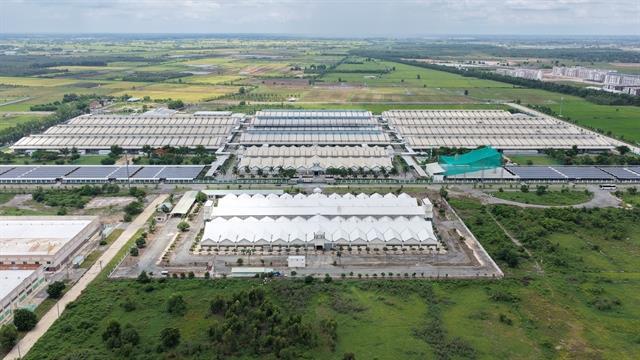
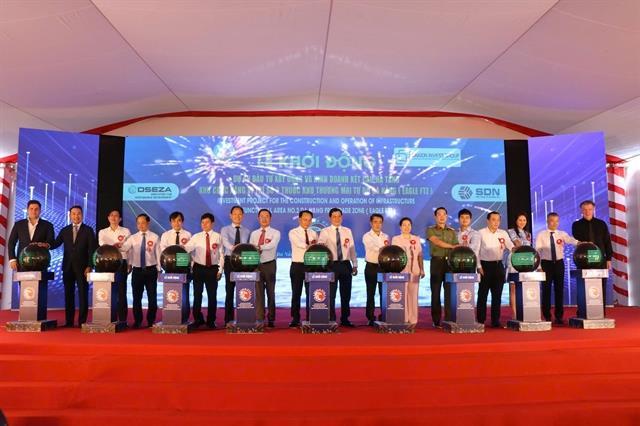


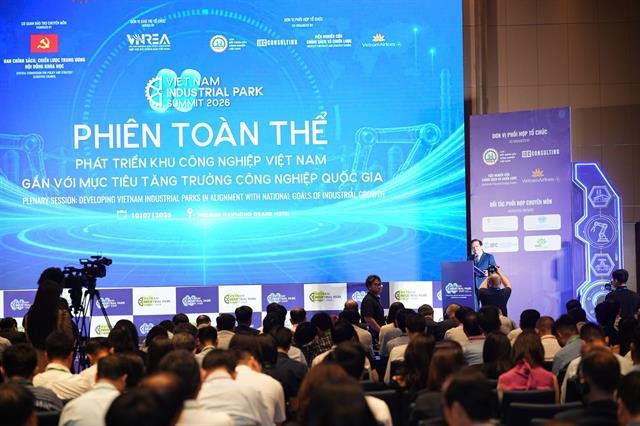
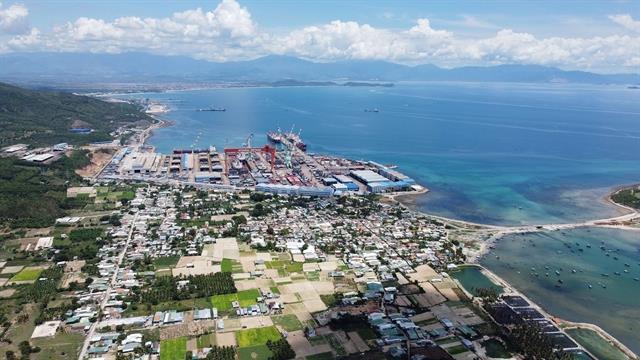
Industrial park developer Sài Gòn-Đà Nẵng Investment Joint Stock Corporation (SDN) has started construction of the second functional area of the Đà Nẵng Free Trade Zone (FTZ2), also known as Eagle FTZ, on 75ha with an investment of VNĐ1.6 trillion...
The adjustment aims to a more rational development framework to maximise the zone’s potential and advantages while providing a legal foundation for construction management and ensuring sustainable development.
The project aims to build a new generation coastal tourism urban model, developing in an integrated manner across multiple sectors such as tourism, commerce, services, innovation, biotechnology, and high-quality healthcare.
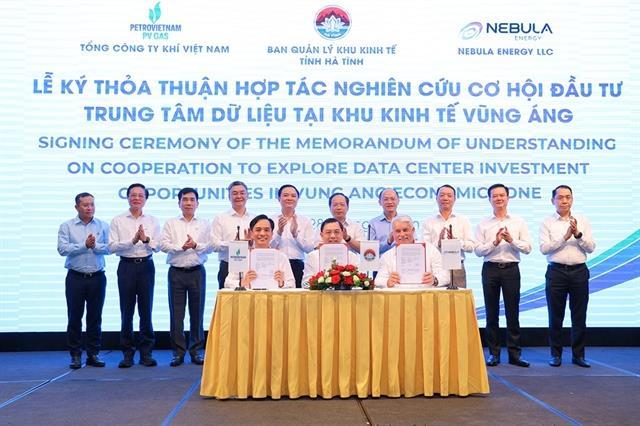
Petrovietnam and Hà Tĩnh have stepped up plans for a major industrial and energy hub at Vũng Áng, with LNG, gas-fired power and digital infrastructure forming the core of the long-term development strategy.
A delegation from the Ministry of Industry and Trade and Hưng Yên Province visited IFEZ in Incheon on July 14 to exchange experience on economic zone development.
With nearly 500km coastline, a strategic location on the East Sea and expanding transport infrastructure, Khánh Hoà has significant potential to become a regional logistics and international transshipment hub.
Around the world, investors are increasingly choosing locations based not only on costs and logistics, but also on renewable energy, carbon performance, circular economy solutions and ESG standards, experts said.
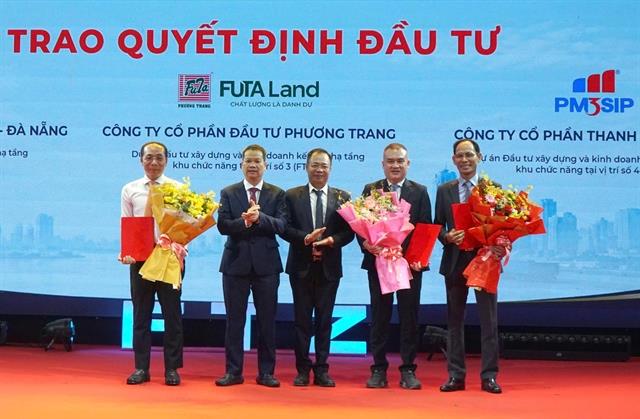
Investment certificates for three functional sites – FTZ2, FTZ3 and FTZ4 – were presented to three local infrastructure investors for soon construction on total 910ha with an investment of VNĐ15 trillion (US$600 million).
Việt Nam is looking to build a large-scale airport on water, a first-of-its-kind model in the country, as it looks to expand aviation infrastructure amid tightening land constraints.
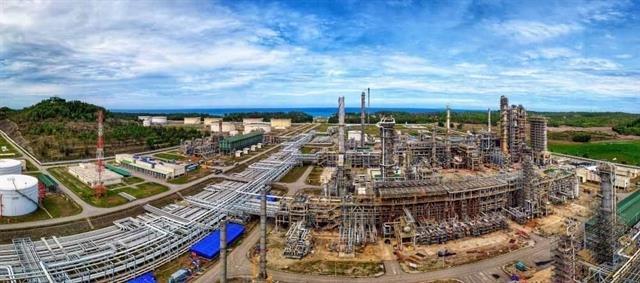
Việt Nam needs breakthrough policy mechanisms beyond tax incentives to accelerate plans for a national refining and energy hub at Dung Quất in the central province of Quảng Ngãi, as the country seeks to strengthen energy security amid global volatility.
The southern province of Tây Ninh has seen notable progress with the development of 51 industrial parks, covering over 15,000 hectares, reaching half of the planned goal by 2030, according to the provincial Economic Zone Authority of Tây Ninh.
Rather than relying heavily on tax incentives, the model emphasises improving the overall investment environment, including transparency, efficiency and regulatory certainty, to enhance long-term competitiveness.